

Uses of bone allografts
Malignant bone tumors
Benign bone tumors
Trauma
Replacement surgeries
Spine surgeries
Sport injuries – ligament and tendon reconstruction
Arthrodesis
Dental surgeries
A non-profit tissue bank providing safe, reliable and cost-effective human bone allografts – and a place where one donation can help up to 25 patients.
The bone bank project was envisioned by our Executive Vice-Chairman Prof. Hemanth Raj E.
The Rotary Club of Madras Central donated all the equipment for the bone bank as part of their global grant project. The bone bank was formally inaugurated on 28.06.2019. The facility was inspected by the Directorate of Medical Services on 03.08.2019. A bone bank technician was appointed on 14.08.2019. The bank was registered with the Government of Tamil Nadu on 24.09.2019 and subsequently registered with TRANSTAN in November 2019.
The bone bank is one of the largest in the country, spread over 1,600 sq. ft. and containing state-of-the-art equipment. It is a non-profit service providing safe, reliable and cost-effective human bone allografts. Guidelines drafted by the Asia Pacific Association of Surgical Tissue Banking (APASTB) are followed.
Malignant bone tumors
Benign bone tumors
Trauma
Replacement surgeries
Spine surgeries
Sport injuries – ligament and tendon reconstruction
Arthrodesis
Dental surgeries
No limitation to the number / size of bone grafts
Can be tailored intra-operatively to match the size of the defect
It would be 5 to 10 times cheaper than a prosthesis
Obviates long-term complications of prosthesis
Biological reconstruction
Soft-tissue adherence around the grafted bone
Ligament or tendon attached
The possibility of the concomitant use of a prosthesis
No donor site morbidity
Grafts from one donor can be used for 25 patients
Types of grafts available
Deep frozen femoral heads – irradiated and non-irradiated
Deep frozen long bones – irradiated and non-irradiated
Lyophilized bone blocks (derived from femoral heads) – irradiated
25 kilo Gray of gamma irradiation is used to irradiate the bones. The institute has signed an MoU with the Indira Gandhi Centre for Atomic Research (IGCAR) for irradiation of the bones.
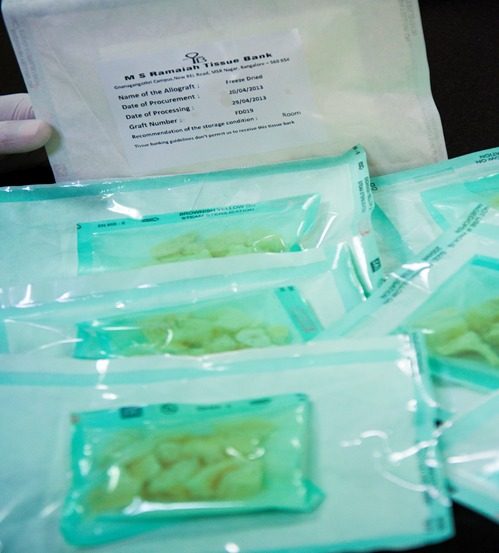
Sterilized with 25 kilo Gray of gamma radiation. Stored at room temperature. Shelf life of 3 years.
Fill cavities
Small bone defects
Non-union
Spinal fusion
Wash 3 times with copious amount of saline
Soak in antibiotic solution for 30 minutes (Gentamycin + Vancomycin)
Can be shaped appropriately and used
Irradiated and non-irradiated femoral heads available. Stored at minus 80° Celsius. Shelf life of 5 years.
Fill cavities
Small bone defects
Non-union
Spinal fusion
Remove articular cartilage
Shape or cut to appropriate dimensions
Wash with copious amount of saline using jet lavage to remove any blood or fat remaining
Soak in antibiotic solution for 30 minutes (Gentamycin + Vancomycin)
Irradiated and non-irradiated long bones available. Stored at minus 80° Celsius. Shelf life of 5 years.
Structural allografts to bridge bone defects
Remove all remaining soft tissues and periosteum
Ream the medulla to remove the marrow contents
Wash with copious amount of saline using jet lavage to remove any blood or marrow content
Soak in antibiotic solution for 30 minutes (Gentamycin + Vancomycin)
Living donors
Bones which are otherwise discarded after hemi-replacement / total hip replacement / total knee replacement
Bones can be harvested from amputated limbs (non-infective etiology)
Deceased donors
Brain dead – as a part of the multi-organ transplant team
Cadaveric – bones have to be harvested within 6 hours of death in a sterile operating theatre
The staff are well trained in harvesting bones from brain dead donors and in processing of bones. An ambulance exclusively for the bone bank is available and is used for harvesting bones from the brain dead.
Donor body reconstructed with wooden dowels
POP / wires will be used to anchor dowels to the remaining body
Dignity and respect for the deceased body will be observed at all times
No disfigurement, dangling of limbs
Reconstruct the limb best as can be done to give a cosmetically acceptable reconstructed limb
Bridging a bone defect is one of the most challenging problems in surgery. It is commonly reconstructed with a mega-prosthesis, but the best method is to use bone, because bone will unite with bone tissue itself.
Cost of 1 mg of bone substitute – Rs. 25,000
Cost of a modular prosthesis – between Rs. 1,00,000 and Rs. 15,00,000
Expensive and not affordable for many patients
Allografts are cost-effective and biological
A bone bank procures, processes, stores and distributes bone. There are very few bone banks in India – among them Tata Memorial Hospital, Mumbai and M.S. Ramaiah Medical College, Bangalore.
Approximately 40–50 patients per year would benefit from the bone bank at Cancer Institute (WIA)
Other hospitals will be able to obtain grafts from the bank
A wide spectrum of patients with diverse conditions will benefit
Grafts from one donor can be used for 25 patients
And make anything possible. To learn more about bone donation or to pledge your support, contact the Bone Bank team below.
Spread over 1,600 sq. ft., the Bone Bank houses state-of-the-art equipment for processing and storing allografts – freeze-dried and deep-frozen – with terminal sterilisation by 25 kGy gamma irradiation under an MoU with IGCAR. Instruments and an ambulance exclusively for the bone bank are available for harvesting.
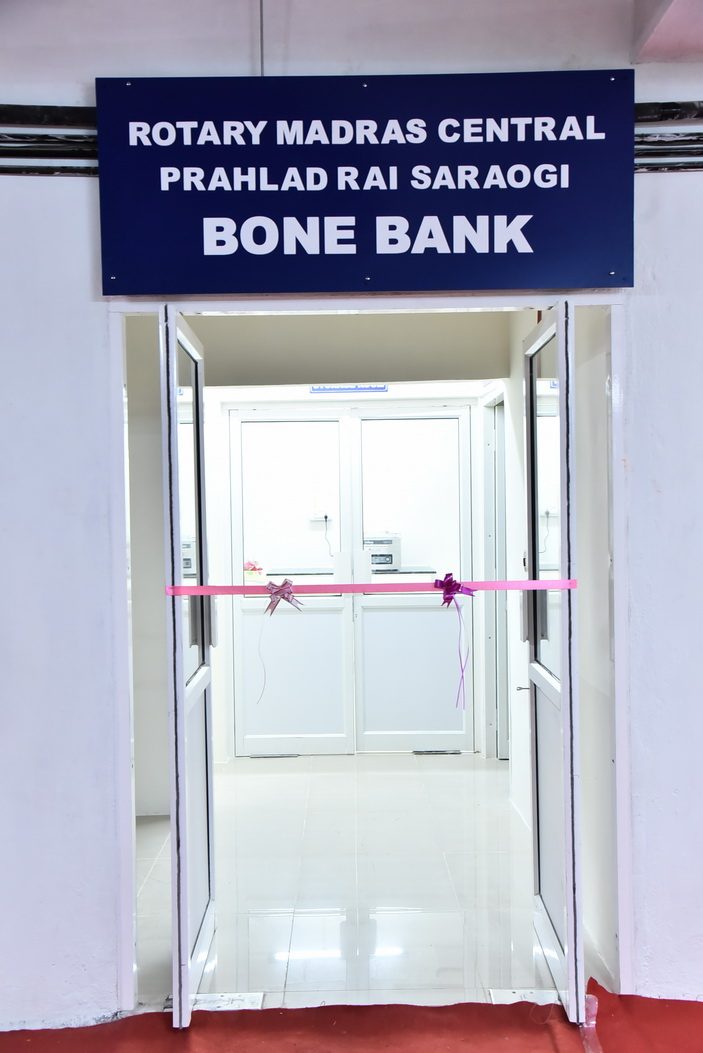
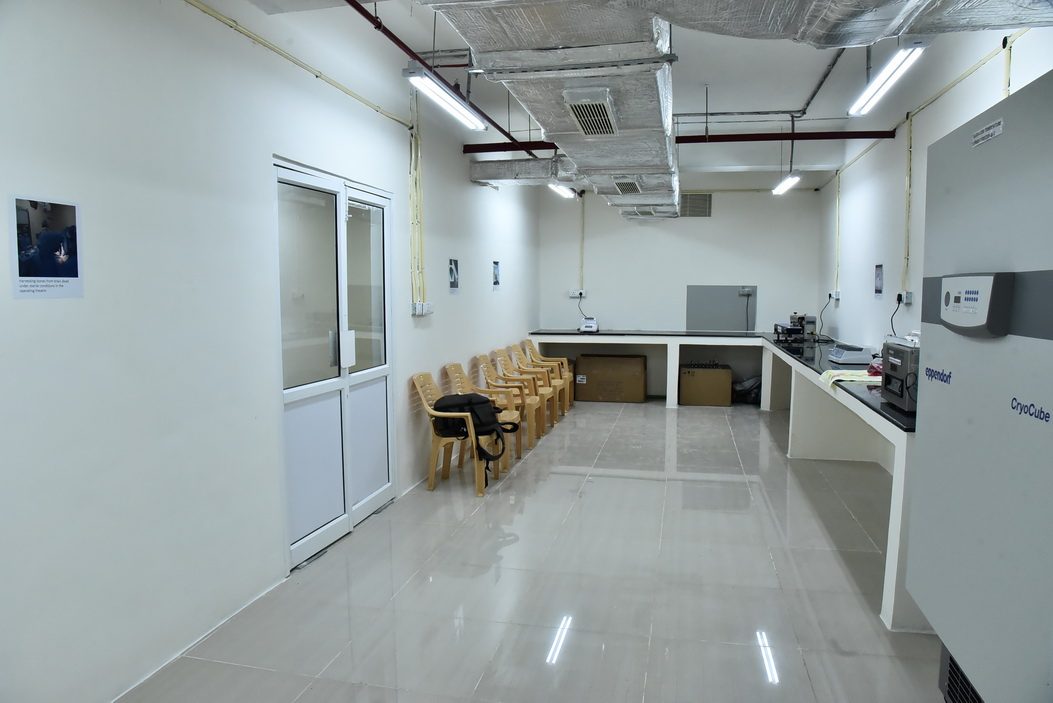
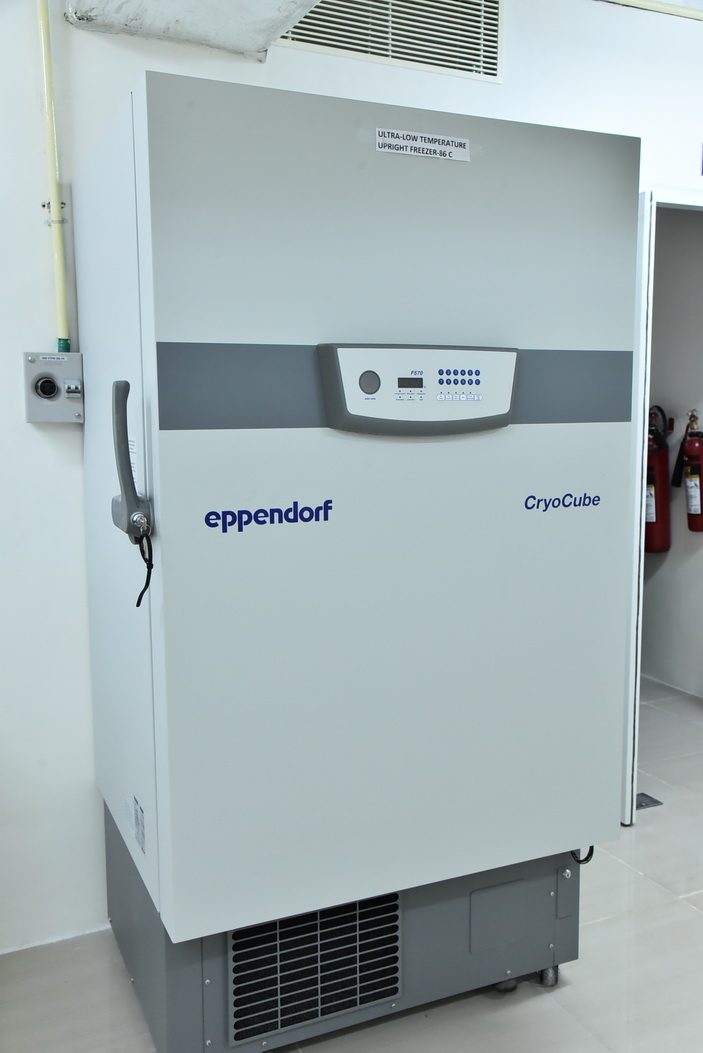
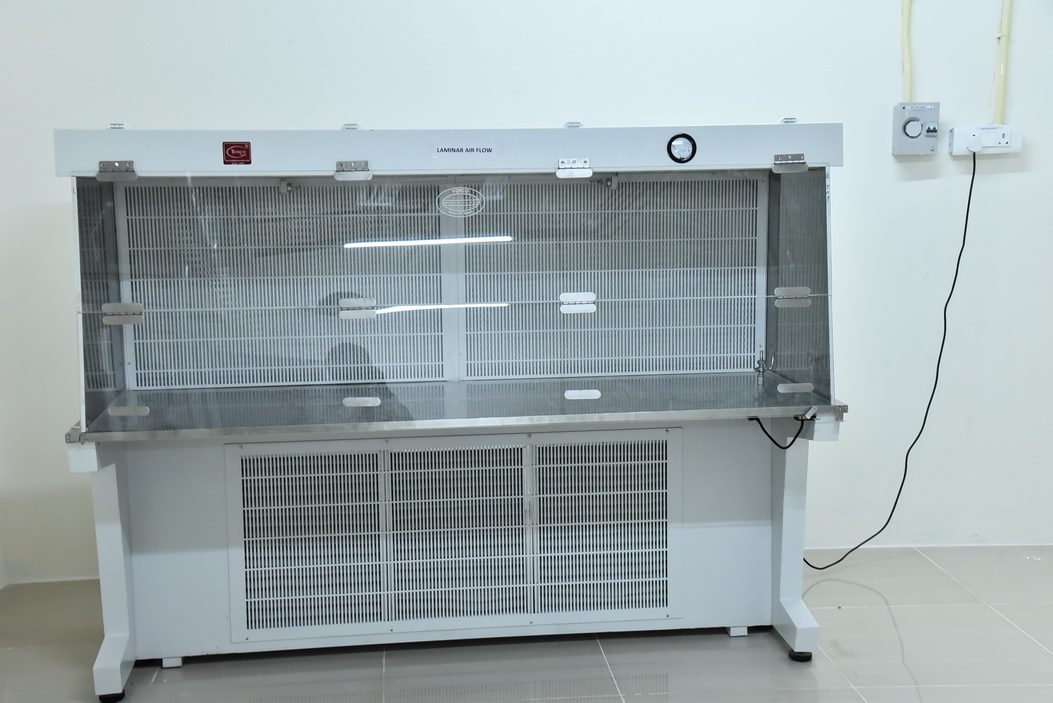
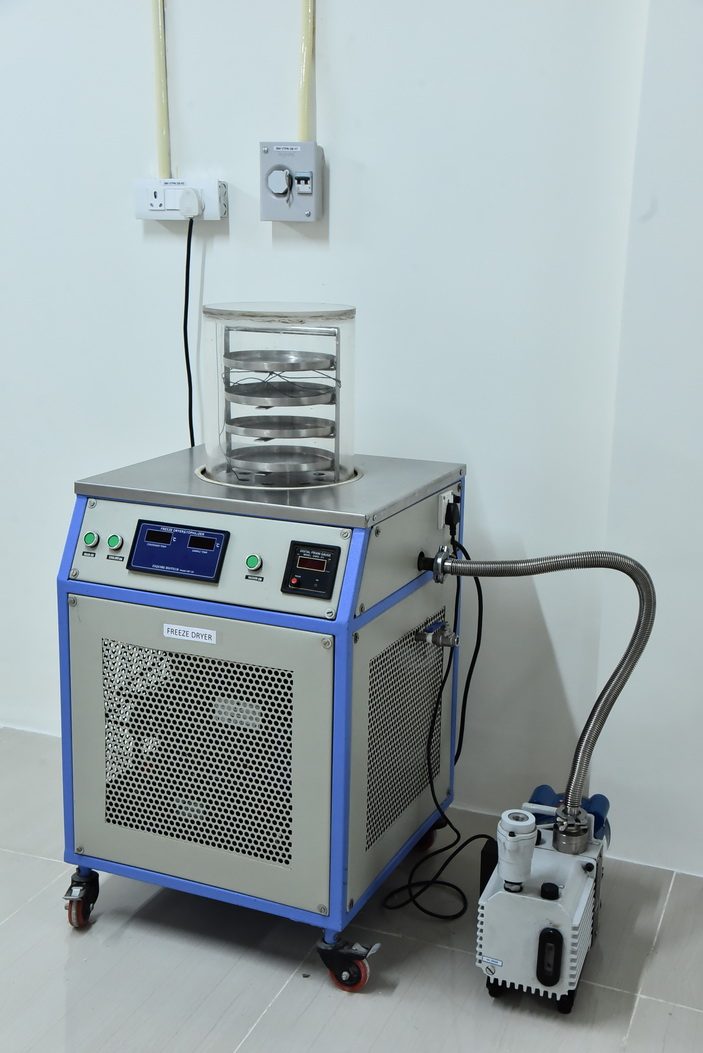
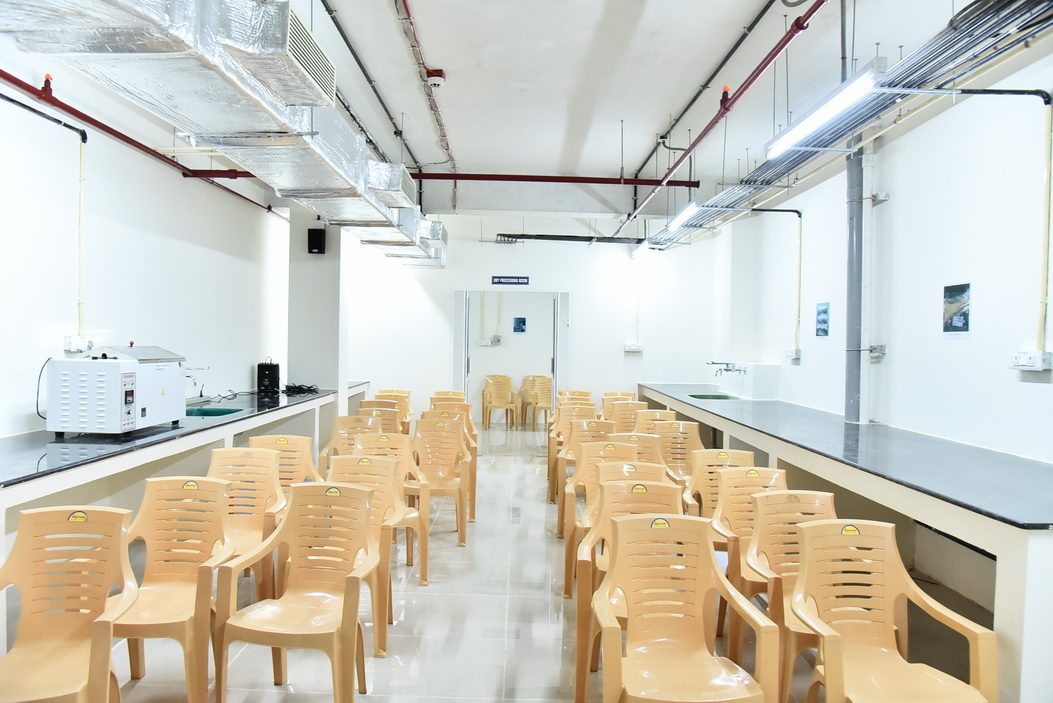
Envisioned by Executive Vice-Chairman Dr. Hemanth Raj E, who supported training in the Diploma in Tissue Banking from NUH, Singapore – one year of online training with a week of demonstration and examination.
Cleared the examination with distinction in September 2015, and visited the tissue bank at M.S. Ramaiah Medical College.
Visited bone banks in Seoul, South Korea and attended the APASTB annual conference, witnessing the wide application of bone allografts.
Equipment donated by the Rotary Club of Madras Central under their global grant project. Inaugurated on 28.06.2019, inspected by the Directorate of Medical Services on 03.08.2019, registered with the Government of Tamil Nadu on 24.09.2019 and with TRANSTAN in November 2019.
TRANSTAN visited the facility on 29.02.2020.
To get ISO standards
3D printing
Enhance bone incorporation – allograft engineering
Dr. Chandra Kumar Krishnan, M.S (Ortho), Diploma in Tissue Banking (NUS, Singapore)
Associate Professor (Orthopaedic Oncology), Bone Bank In-charge
Email: bonebank@cancerinstitutewia.org
Mobile: 8826255821
Landline: 044-22209150, Extn 235
Ms. Prema
Email: bonebank@cancerinstitutewia.org
Phone: 6383446823

Patient guidance
Helpful information about Bone Bank and your care journey.
Muslim religious council – agrees with organ donation. Christianity – loving one’s neighbour as oneself – an act of genuine altruism. “Give and it will be given to you; good measure, pressed down, shaken together, running over, will be put in your lap” Luke 6:38 Hindu – Dharma – doing good things for others is desirable.
Ignorance. Fear of mutilation. Fear that organs will be sold or used only for the rich. Muslims – God created them whole and they prefer to return to him whole. Islam doesn’t explicitly forbid donation.
Preferably 12 – 80 years. Bones in younger children contain more cartilage. Bones over 80 years might be very fragile.
The bones are harvested in a sterile operation theatre.
The bones harvested are from the arm (humerus), forearm (radius and ulna), thigh (femur), leg (tibia and fibula), patella and hip bone (ilium).
The bones are harvested within 6 hours of death in case of cadaveric donation.
Time is the limiting factor. The harvesting and reconstruction of the 4 limbs takes 1 to 2 hours.
No. The donor body is reconstructed with wooden dowels, anchored with POP / wires. There is no disfigurement or dangling of limbs, the limb is reconstructed to be cosmetically acceptable, and dignity and respect for the deceased body are observed at all times.
No tissue matching is required for bone.
The bones are not utilized immediately like the organs. They undergo processing. It takes 6 to 8 months from the time of harvest till the bones are ready to use.
Any bone can be used to replace any bone.
Well processed allografts are safe, effective and reliable to be used.