Clinical department

Medical Gastroenterology& Endoscopy

Comprehensive care for digestive health and gastrointestinal malignancies.

Medical Gastroenterology & Endoscopy

Department overview

The Department of Medical Gastroenterology & Endoscopy (MGE) provides comprehensive, evidence-based, and patient-centred gastrointestinal care for individuals affected by cancer and other digestive-system conditions. The department combines advanced medical expertise, modern technology, and multidisciplinary collaboration to support screening, diagnosis, treatment, surveillance, and follow-up care.

Medical Gastroenterology & Endoscopy focuses on the prevention, diagnosis, treatment, and long-term management of conditions affecting the oesophagus, stomach, small intestine, colon, rectum, liver, pancreas, gallbladder, and biliary tract. The department manages a broad range of gastrointestinal and hepatobiliary disorders, including reflux and ulcer disease, inflammatory and functional bowel disorders, gastrointestinal bleeding, liver disease, pancreatitis, gallstone disease, infections, motility disorders, and gastrointestinal cancers. Early detection and timely intervention are emphasised to improve outcomes, reduce complications, and enhance quality of life.

Care is delivered by specialists, nurses, technicians, and allied healthcare professionals who develop personalised treatment plans. The department is committed to clinical excellence, innovation, research, education, and compassionate patient care, with strengths in advanced diagnostic facilities, specialised treatment programmes, multidisciplinary clinics, and access to advanced therapies.

Message from the Head of Department

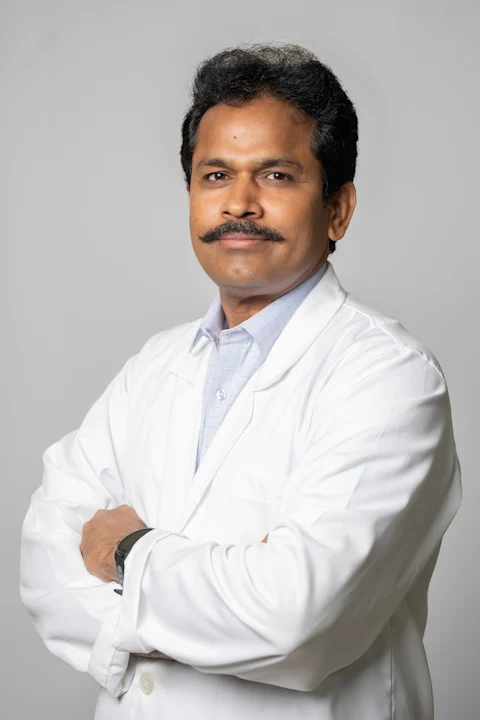
“At the Department of Medical Gastroenterology & Endoscopy, our mission is to provide compassionate, patient-centred, and evidence-based care while maintaining the highest standards of clinical excellence. We are committed to using advanced medical technologies, fostering innovation, and continuously improving healthcare outcomes. Our team strives to ensure that every patient receives personalised attention, comprehensive treatment, and unwavering support throughout their healthcare journey.”

Dr. Thirumoorthi NAssociate Professor & Incharge
View Profile

Conditions we treat

  • Oesophageal disorders
  • Gastric disorders
  • Intestinal disorders
  • Liver diseases and hepatology conditions
  • Pancreatic disorders
  • Gallbladder and biliary disorders
  • Gastrointestinal bleeding
  • Inflammatory bowel diseases
  • Functional gastrointestinal disorders, including irritable bowel syndrome
  • Malabsorption disorders
  • Gastrointestinal infections
  • Gastrointestinal cancers
  • Nutritional and metabolic gastrointestinal disorders
  • Motility and functional bowel disorders
  • Eosinophilic gastrointestinal disorders
  • Chronic digestive diseases
  • Gastrointestinal emergencies
  • Gastroesophageal reflux disease (GERD)
  • Peptic ulcer disease
  • Viral hepatitis and cirrhosis
  • Pancreatitis and gallstone disease

Diagnostic Evaluation

Diagnostic services & capabilities

Upper gastrointestinal endoscopy (diagnostic and therapeutic)

Colonoscopy (diagnostic and therapeutic), including biopsy and surveillance colonoscopy

Image-enhanced endoscopy for early neoplastic lesions

Endoscopic retrograde cholangiopancreatography (ERCP), diagnostic and therapeutic

Treatment options

Prevention & early detection

Maintain a healthy lifestyle and balanced diet.

Avoid tobacco, alcohol, and other relevant risk factors.

Attend regular health screenings and follow-up appointments.

Seek medical attention for persistent or unusual symptoms.

Follow prescribed medications and treatment plans carefully.

Participate in recommended vaccination or preventive programmes when relevant.

When To Visit

When to visit

Clinical Indications

  • Persistent or unexplained gastrointestinal symptoms
  • Chronic pain or discomfort
  • Unexplained weight loss
  • Abnormal bleeding or discharge
  • Persistent fatigue or weakness
  • Changes in normal bodily functions
  • Abnormal findings during routine health check-ups
  • Symptoms for which a primary-care physician recommends specialist evaluation

Facilities & capabilities

Biliary stents, including plastic and self-expanding metallic stents

Oesophageal, colonic, and pancreatic stents

Lumen-apposing metal stents (LAMS)

Endoscopic accessories, including guidewires, sphincterotomes, balloon dilators, stone-extraction balloons and baskets, injection needles, haemostatic clips, and polypectomy snares

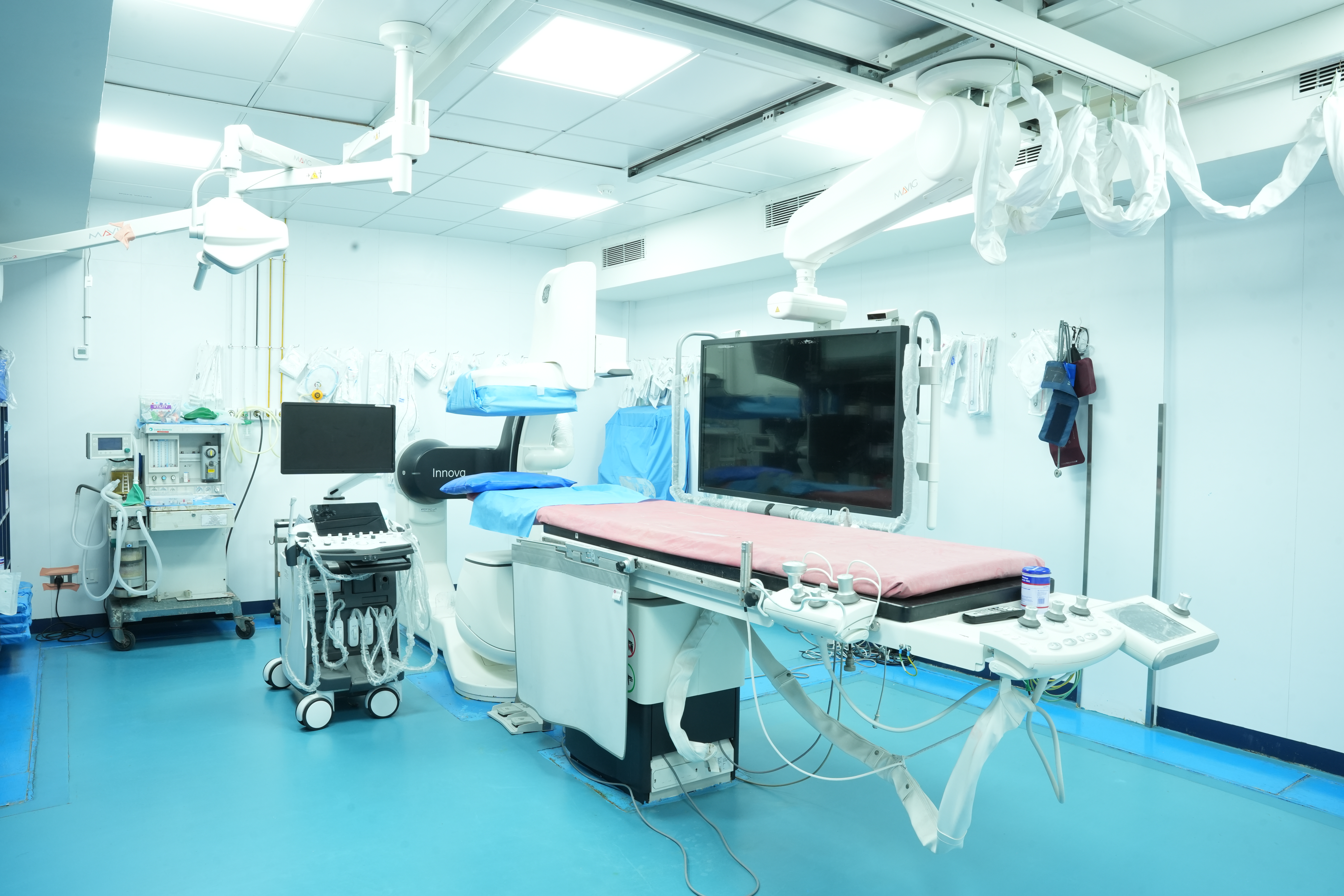
Advanced therapeutic equipment, including electrosurgical accessories, APC probes, coagulation systems, endoscopic clipping and closure devices, EUS needles and accessories, and foreign-body retrieval devices

Trained endoscopy nurses who maintain available equipment and receive regular endoscopy training

Endoscopy equipment that has functioned for almost 10 years with only limited wear-and-tear repairs

Equipment-specific maintenance training for staff when new facilities are installed

Legacy

  • The Department of Medical Gastroenterology & Endoscopy (MGE) has a history of excellence in patient care, education, and research. Over the years, the department has developed specialised programmes, introduced advanced treatments, and contributed to healthcare innovation. Through an ongoing commitment to quality and innovation, the department continues to serve as a centre of gastrointestinal and endoscopic care for patients locally, nationally, and internationally.

Contact Medical Gastroenterology & Endoscopy

Associate Professor & Incharge

Dr. Thirumoorthi N

mge@cancerinstitutewia.org
Book Appointment
Cancer Institute (WIA), Adyar campus