Equipment Specification
Pneumatic chute system in sample receiving area
Content needs to be provided.

Department of microbiology focuses on identification of pathogens and their antimicrobial patterns and curbing the infection with advanced precision diagnostics for better clinical Decisions
microbiology@cancerinstitutewia.orgThe Department of Clinical Microbiology is an NABL-accredited multidisciplinary laboratory covering bacteriology, mycology, virology, mycobacteriology, serology, and hospital infection control. The department provides accurate, precise, and timely diagnosis for cancer patients and supports infection prevention and treatment.
Samples received include blood, body fluids, urine, pus, tissue, sputum, throat swabs, respiratory secretions, pre-operative swabs, and stool.
To provide rapid, precise, and advanced diagnostic microbiology services tailored to the unique needs of cancer patients, while mitigating infectious risks, promoting responsible antimicrobial use, and maintaining the highest standards of patient safety.
Infection can become life-threatening quickly in an immunocompromised cancer patient.
Rapid diagnostic pathways are especially important in febrile neutropenia, where hours matter for treatment decisions.
Resistance patterns are monitored because oncology patients may require prolonged antimicrobial courses.
The department works with oncologists, hematologists, and transplant teams on individualized antimicrobial strategies.
Class II B biosafety cabinet
Laminar airflow
Centrifuge
High-speed centrifuge
Cyclomixer
Incubators
CO2 incubators
BOD incubators
Autoclave
Water bath
Hot-air oven
Microscope
Deep freezer
Laboratory refrigerators
High incubators
PCR
ELISA reader and washer
Colony counter
BacT/Alert automated systems support adult and paediatric blood cultures and mycobacterial culture.
MALDI-TOF supports rapid identification of bacteria, fungi, and mycobacteria from relevant clinical samples.
VITEK 2 Compact supports automated identification and susceptibility testing of bacteria and yeasts.
Abbott CLIA/CMIA supports automated viral-marker and serological testing; the platform name requires final confirmation.
Nested PCR-BioFire panels support simultaneous testing for multiple pathogens from a single patient sample.
The department monitors antibiotic resistance and infection spread across theatres, robotic OT, ICUs, BMT, wards, CSSD, healthcare personnel, biomedical-waste processes, protective isolation areas, positive-pressure air systems, and water supplies. It supports continued education for nursing and paramedical staff, reviews antibiotic policy, and monitors CLABSI, VAP, SSI, and CAUTI.
In-service training for all staff categories.
Observership training for students from outside colleges.
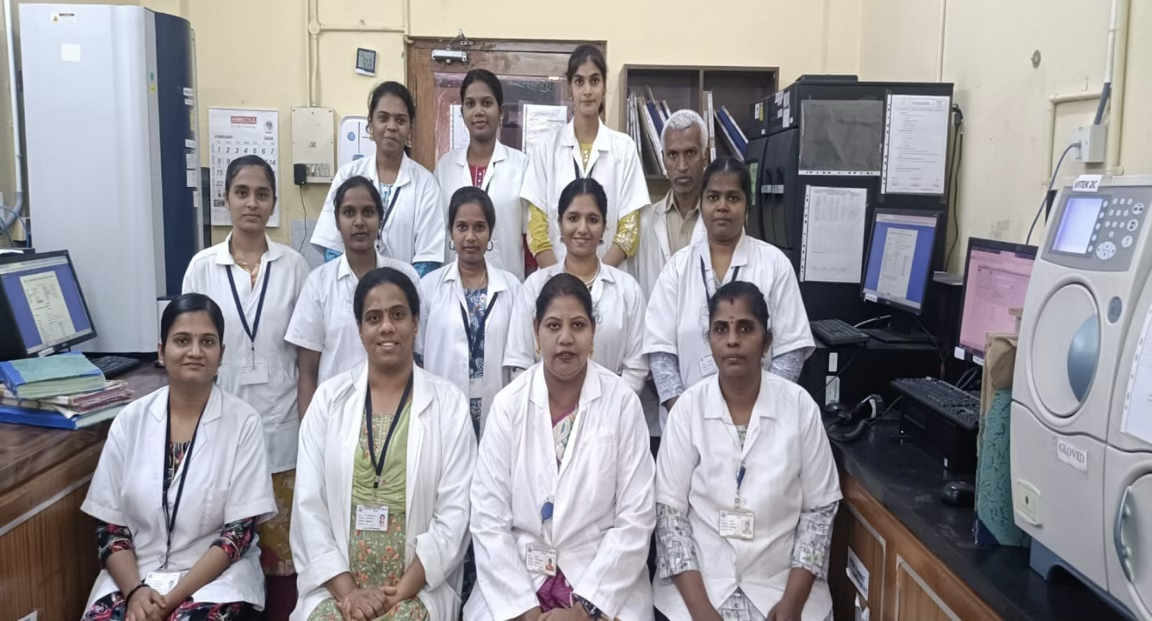
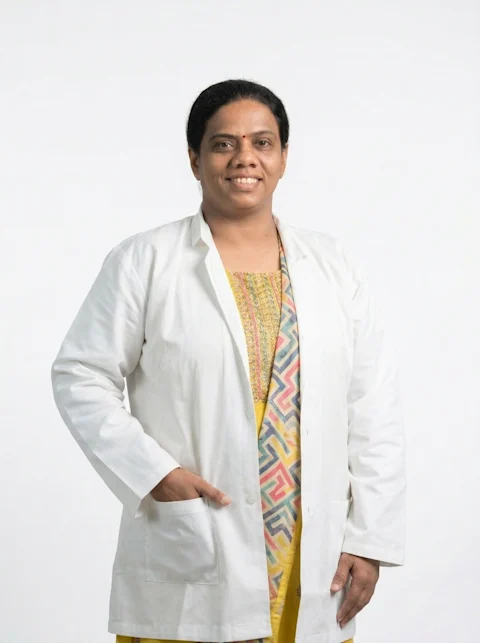
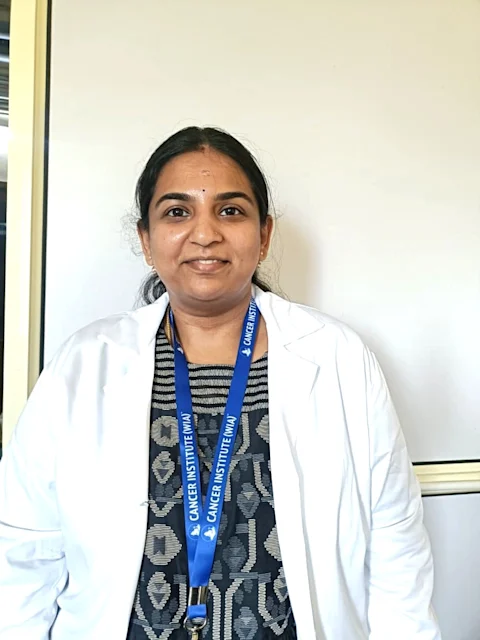
I, as the Head of the Department, take pride in leading a dedicated team focused on delivering high-quality, accurate, ethical, and patient-centered diagnosis in infection for cancer patients using advanced technologies.
Dr. Packia Nancy R
Assistant Professor and Head
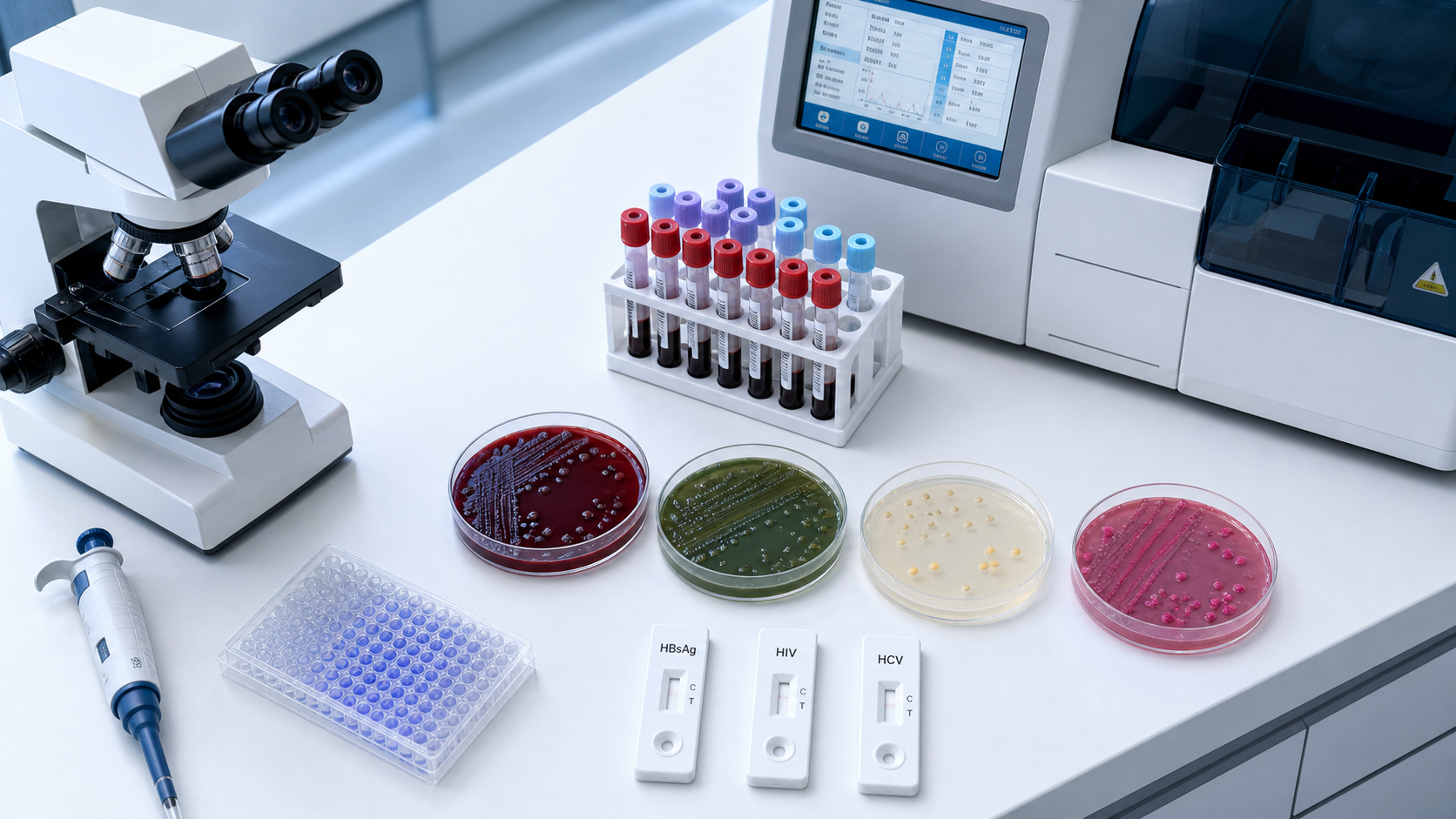
The department provides microbiology, infectious-disease serology, molecular diagnostics, antimicrobial susceptibility testing, and surveillance cultures.

Follow these steps for a good lower-respiratory-tract specimen. Saliva should not be collected.
INFECTION PREVENTION & PATIENT CARE
Cancer therapies can weaken the immune system. Our infection prevention and control practices protect patients, visitors, and staff throughout the care journey.
Positive-pressure isolation rooms with HEPA filtration help protect severely immunocompromised patients, including bone-marrow-transplant recipients, from airborne pathogens.
The team monitors hospital data and enforces a hospital-wide hand-hygiene programme to detect threats early and reduce the spread of infection.
Medical-grade disinfectants, sterilisation protocols, and sterile techniques for central lines, PICC lines, and IV ports help reduce infection risk during treatment.
The Antimicrobial Stewardship Committee brings together infectious-disease physicians, oncology pharmacists, microbiologists, and nurses to support the right antimicrobial, dose, and duration.
Infection control is a team effort.
Use the alcohol-based hand sanitizer or soap and water provided at entrances, corridors, and patient rooms when entering and leaving.
Visitors with fever, cough, runny nose, recent contagious exposure, or another illness should stay home and connect with their loved one virtually.
Speak with the nursing station before entering a room with an isolation sign so the correct mask, gown, or gloves can be provided.
Ask nursing staff before bringing fresh flowers, plants, or certain raw foods into patient areas because soil and stagnant water can harbour fungi and bacteria that are dangerous for patients with low white-cell counts.
Conditions evaluated and supported by Microbiology are currently being compiled.
Infrastructure & Technology
Content needs to be provided.
Biosafety cabinets class II with automations (Vitek 2 compact, MALDI-TOF, BacT Alert)
CMIA, Latex agglutination, Immuno-chromatography, Tube agglutination, Slide agglutination
Biosafety cabinet class II with facility for fungal stain and culture, BOD incubators
Biosafety cabinet class II with facility for AFB staining and culture.
Content needs to be provided.
Content needs to be provided.
Content needs to be provided.
Content needs to be provided.
Content needs to be provided.
Content needs to be provided.
Automated blood culture system – a qualitative Microbial detection system used for enhanced recovery and detection of aerobic and facultative microorganisms (Bacteria & fungi) from Blood.
The VITEK 2 Compact system is dedicated to the identification of bacteria and yeasts and susceptibility testing of clinically significant bacteria.
The system includes the VITEK® 2 Compact instrument, a computer (workstation), and printer. The software provided with the VITEK® 2 Compact system includes analysis and data-management programs.
A bidirectional computer interface transfers results automatically to the user’s laboratory information system (LIS) and to various product and patient reports.
Advanced Expert System of the system automatically provides validation of every susceptibility test result to help clinicians select the most appropriate antibiotic treatment.
The Advanced Expert System signals when results are ready, saving time, and gives an accurate phenotype profile of the bacterial resistance mechanism for each isolate tested, using color-coded indicators.
Advanced Reporting Tool enhances reporting with customization and maximum efficiency, by automatically transferring results, offering alerts for critical results and improving standardization.
(Matrix-Assisted Laser Desorption / Ionization Time of Flight) mass spectrometry – An Innovation for rapid information on bacteria, fungus & mycobacteria with direct benefits on the patient outcome.
The MALDI Biotyper System identifies microorganisms using MALDI-TOF (Matrix-Assisted Laser Desorption / Ionization Time of Flight) mass spectrometry to determine a unique proteomic Mass fingerprint of an organism.
Turnaround time – Within half an hour of Growth & Blood culture: Within half an hour of positivity.
When made available for routine testing, these assays could add to the armamentarium of rapid susceptibility tests needed to reduce time to optimal antimicrobial therapy.
With Cancer Institute starting the innovative MALDI TOF Technology for its patients – we become the 1st Charitable Non-Profit Institution in the State to have this – it makes us proud & we understand that Novel Techniques like this would impact on Antimicrobial Stewardship Program as well.
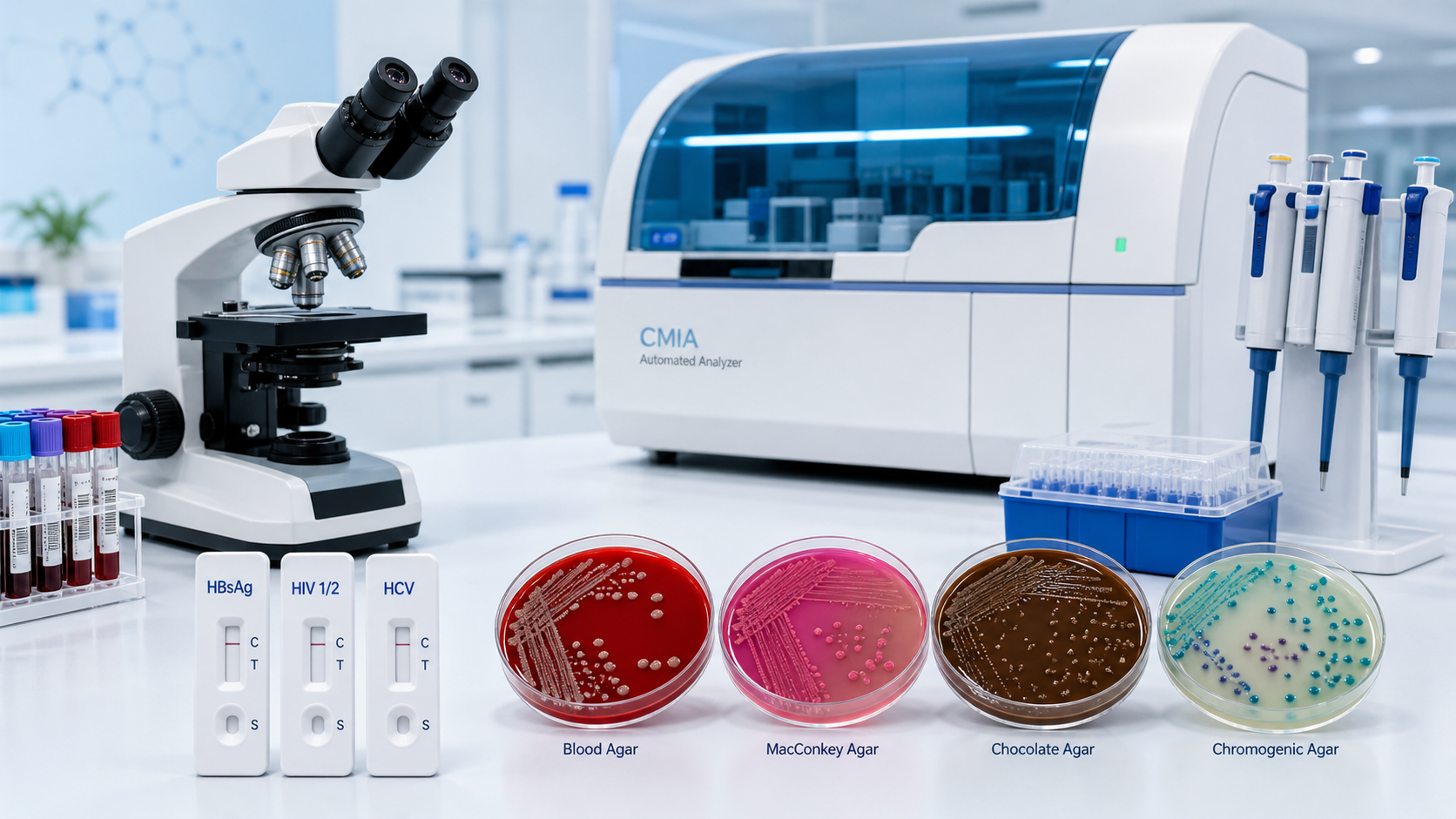
The Abbott Chemiluminescent Immunoassay (CLIA) system is a fully automated, high-throughput immunoassay analyzer based on paramagnetic microparticle technology and acridinium-labeled chemiluminescence detection.
It is designed for qualitative and quantitative detection of viral markers, including HBsAg, Anti-HCV, HIV Ag/Ab, and other serological markers.
The system provides high analytical sensitivity and specificity, enabling early detection of viral infections with minimal cross-reactivity.
Translational clinical research, patented therapeutic processes, and licensed innovations originating from the department.