Clinical department

PalliativeMedicine

Integrating Comfort with Cancer Care

Palliative Medicine

Department overview

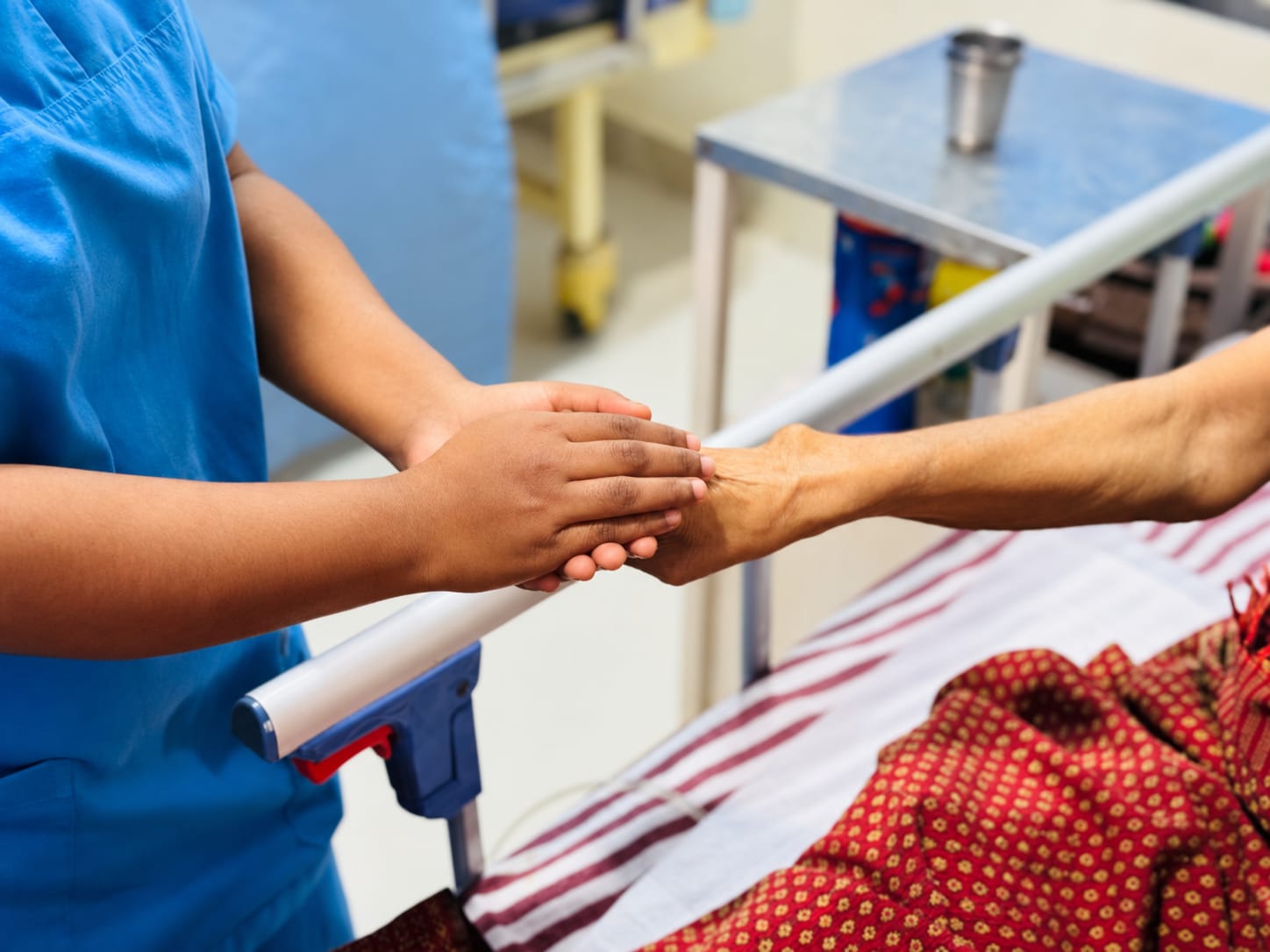
The Department of Palliative Medicine provides specialized, patient-centered care aimed at improving the quality of life of patients and families facing cancer and other serious illnesses. As an integral part of a tertiary cancer institute, the department works alongside oncology teams to address pain, distressing symptoms, psychological concerns, and supportive care needs throughout the course of illness. Our multidisciplinary team—including physicians, nurses, psychologists, social workers, and allied health professionals—focuses on comprehensive symptom management, psychosocial support, communication about goals of care, and support for patients and families during advanced illness and end-of-life care. Care is delivered across multiple settings including outpatient clinics, inpatient services, intensive care units, and home-based care, ensuring continuity and accessibility of support. The department also contributes actively to education, training, research, and quality improvement initiatives to advance palliative care practice. Through collaboration with national professional bodies such as the Indian Association of Palliative Care and academic initiatives like the Academy of Palliative Medicine, the department supports the development of skilled palliative care professionals and promotes evidence-based care. By integrating palliative care early in the cancer care pathway, the department aims to relieve suffering, enhance dignity, and support patients and families in making informed decisions aligned with their values and goals.

Message from the Head of Department

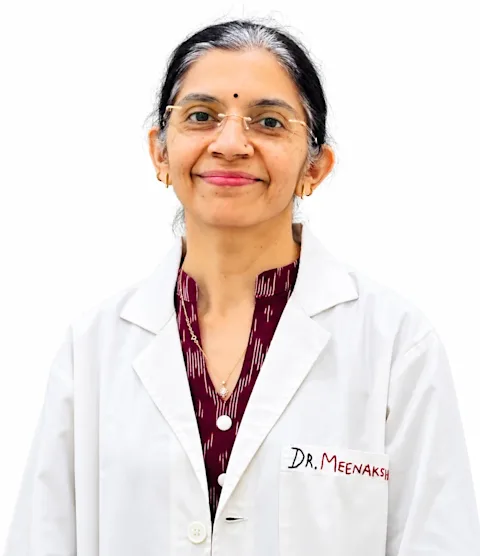
“The team at the Department of Palliative Medicine leave no stone unturned to deliver compassionate care best aligned to the preferences of patients and their families. We are able to do this by our collaboration with the oncology team who share the same vision. We aspire to provide a continuum of care to all patients with cancer who seek treatment at our institution, no matter the stage of the disease and its final outcome.”

Dr. Meenakshi V VProfessor & Head Department of Palliative Medicine
View Profile

Conditions we manage

  • Severe or refractory pain
  • Breathlessness and respiratory distress
  • Nausea, vomiting, constipation and anorexia
  • Fatigue and weakness
  • Anxiety, depression, and psychological distress
  • End-of-life care needs
  • Supportive Care for advanced cancer
  • Advance Care Planning
  • Patient/ Caregiver (CG) request
  • Social needs
  • Assistance with the decision making
  • Plan or requiring home visit/ hospice

Clinical Services

Services and Capabilities

The Department of Palliative Medicine uses various clinical assessment tools and supportive procedures to evaluate and manage symptoms, improve quality of life, and guide individualized care plans.

Clinical Assessment and Evaluation

Comprehensive pain assessment using standardized pain scales

Symptom assessment tools

Performance status evaluation: Prognostic

Nutritional assessment and functional status evaluation

Supportive and Interventional Procedures

Opioid titration and monitoring for pain management

Parenteral medication administration for symptom control

Subcutaneous infusion therapy

Management of malignant wounds and pressure ulcers

Palliative procedures for symptom relief

Communication and Care Planning

Goals-of-care discussions and advance care planning

End-of-life care assessment and symptom management planning

Treatment Options

The Department of Palliative Medicine provides comprehensive supportive and symptom-directed treatments aimed at improving the quality of life of patients with cancer and other serious illnesses. Treatment plans are individualized and delivered through a multidisciplinary approach.

Prevention & early detection

Early Identification and Screening

  • Screening for palliative care needs in outpatient and inpatient oncology services
  • Early referral of patients with advanced or complex symptoms
  • Routine symptom assessment to detect and address distress early

Prevention of Symptom Burden

  • Proactive management of pain and other distressing symptoms
  • Prevention and management of treatment-related side effects from chemotherapy, radiotherapy, and surgery
  • Early nutritional and functional assessment to prevent decline

Prevention of Complications

  • Pressure ulcer prevention through regular assessment and skin care
  • Constipation prevention in patients receiving opioid therapy
  • Prevention of delirium through careful medication review and supportive care

Psychosocial and Caregiver Support

  • Routine psycho-social assessment to identify emotional distress in patients and caregivers
  • Counselling to reduce psychological distress in patients and families
  • Referral to psychiatrist when indicated, following assessment of psychological or psychiatric concerns

Continuity and Follow-up

  • Regular follow-up through outpatient visits, home-based care, and telephone consultations
  • Early intervention for symptom exacerbations to prevent avoidable hospital visits or admissions
  • These preventive measures help ensure timely symptom control, improved patient comfort, and better support for patients and their families throughout the illness trajectory.

When To Visit

When to visit

Clinical Indications

  • Uncontrolled pain or distressing symptoms such as breathlessness, nausea, vomiting, fatigue, or loss of appetite
  • Advanced or metastatic cancer, where additional supportive care is required alongside ongoing oncological treatment
  • Side effects from cancer treatments such as chemotherapy, radiotherapy, or surgery that affect comfort or daily functioning
  • Emotional or psychological distress experienced by patients or family members
  • Need for guidance on goals of care, treatment decisions, or advance care planning
  • Requirement for home-based care, supportive care planning, or end-of-life care
  • Support caregivers who need assistance in managing symptoms and providing care at home

Facilities & capabilities

DNB in Palliative Medicine Training Program with an intake of 2 postgraduate trainees each year.

Home-based Palliative Care Services within Chennai.

Dedicated free of cost Hospice Facility

Mahaveer Ashray at Sriperumbudur, offering inpatient hospice care for patients requiring end-of-life care and comprehensive support for families.

Address:

Mahaveer Ashray, A unit of Cancer Institute (WIA), Adyar, Survey No. 1258, Sriperumbudur-Kiloy Road, Sriperumbudur, Tamil Nadu 602105, India

Training and Educational Programs for Healthcare Professionals in Palliative Care, including structured learning opportunities for doctors, nurses, social workers, and allied health professionals.

Active participation in national training and capacity-building initiatives conducted by the Indian Association of Palliative Care and the Academy of Palliative Medicine.

Legacy

  • The Department of Palliative Medicine has played a pivotal role in advancing comprehensive, compassionate, and patient-centered supportive care within the institute. Over the years, the department has contributed significantly to the integration of palliative care into routine oncology practice, ensuring that patients receive holistic care addressing physical, psychological, social, and spiritual needs throughout the course of illness. The comprehensive palliative care service at the Cancer Institute began as part of the Department of Anaesthesia, later evolving into the Department of Anaesthesia, Pain and Palliative Care. The palliative care outpatient service was initiated in 2010, initially operating two days per week, and has since expanded into a full-fledged outpatient palliative care service functioning six days a week. Home-based palliative care services were introduced in 2014 to provide continued support for patients unable to frequently visit the hospital, and daily outpatient services began in 2015. In 2017, the institute established its dedicated hospice facility, Mahaveer Ashray at Sriperumbudur, providing inpatient hospice and end-of-life care. Today, the palliative care team has grown into a multidisciplinary team of nearly 20 members, comprising physicians, nurses, psychiatrists, psychologists, medical social workers, volunteers, and a data management team. Care is delivered through a collaborative multidisciplinary approach, with close involvement of disease-specific oncology specialists to ensure integrated patient care. The department remains committed to ensuring accessible and equitable care. Outpatient palliative care services are subsidized and free for general ward patients, while home-based care and hospice services are provided entirely free of cost to patients and their families. The growth and sustainability of the department have been supported by the generous contributions of partners such as the Cipla Foundation, along with other donors and sponsors who have helped strengthen palliative care services and expand support for patients in need.

Achievements

7 Milestones
  1. 01
    Established an integrated palliative care service within the tertiary cancer institute, providing comprehensive symptom management and supportive care across outpatient, inpatient, home care, and hospice settings.
  2. 02
    Initiation of DNB in Palliative Medicine training program, with an intake of two postgraduate trainees each year, contributing to the development of specialized palliative care professionals.
  3. 03
    Development of home-based palliative care services within Chennai, enabling continuity of care for patients who are unable to frequently visit the hospital.
  4. 04
    Establishment of the hospice facility: Mahaveer Ashray at Sriperumbudur, providing free inpatient hospice and end-of-life care services for patients requiring specialized supportive care.

Support & Community

Support Group Meetings

New Patients & Families Support

Last Monday, April - Introducing palliative care services and addressing common concerns.

Ryles Tube Care & Caregiver Support

Last Thursday, July - A focused session on Ryles tube management and caregiver training, providing practical guidance and support.

Caregivers Support Meeting

Last Wednesday, October, supporting caregivers with coping strategies, shared experiences, and self-care

Bereavement Support Group

Last Saturday, January - Offering emotional support and coping guidance for families after loss.

Our Team

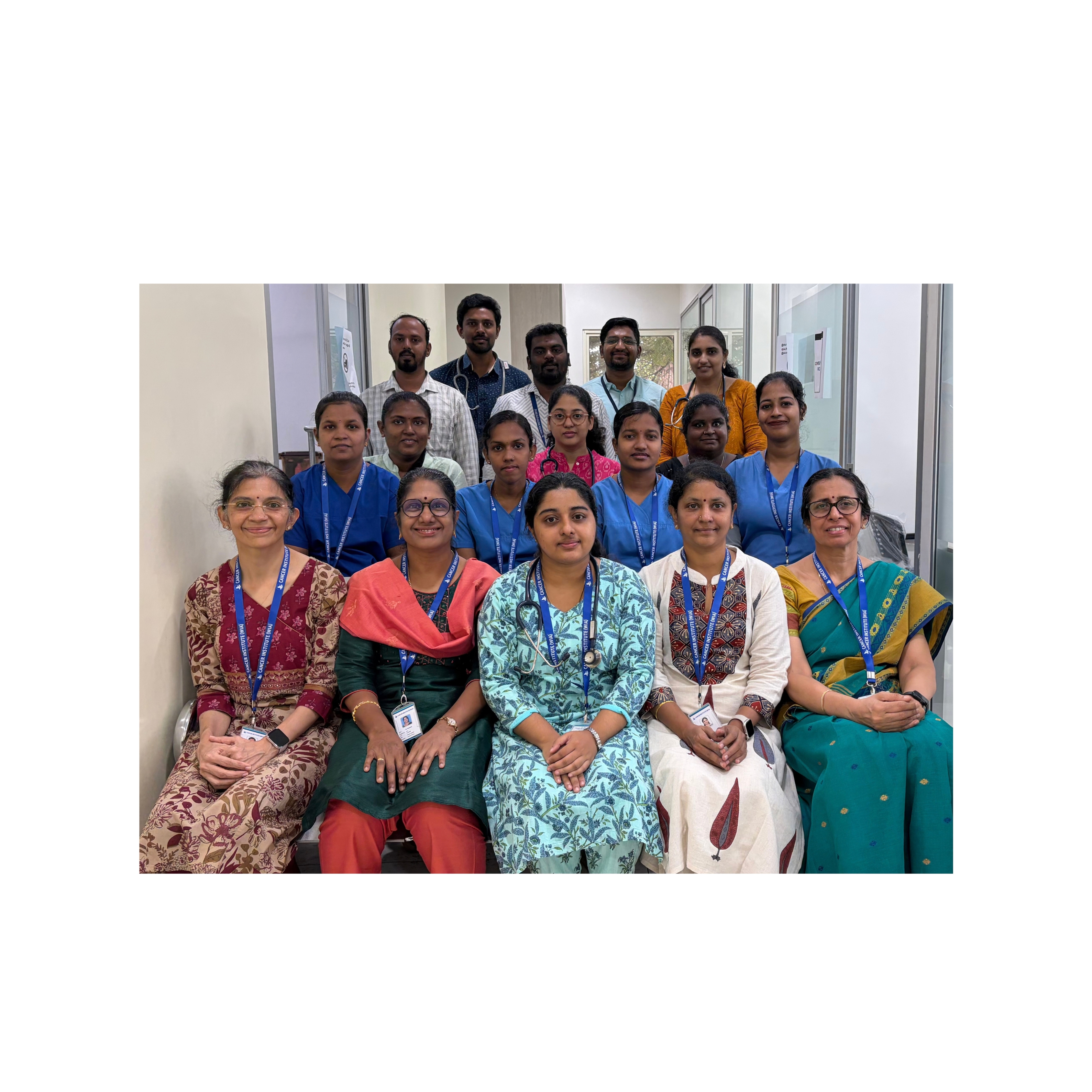
Palliative Medicine team at Cancer Institute (WIA)

Contact Palliative Medicine

Professor & Head Department of Palliative Medicine

Dr. Meenakshi V V

ppc@cancerinstitutewia.org
Book Appointment
Cancer Institute (WIA), Adyar campus